Re-flagging a Bulk Carrier to Vanuatu Without Losing Trading Days
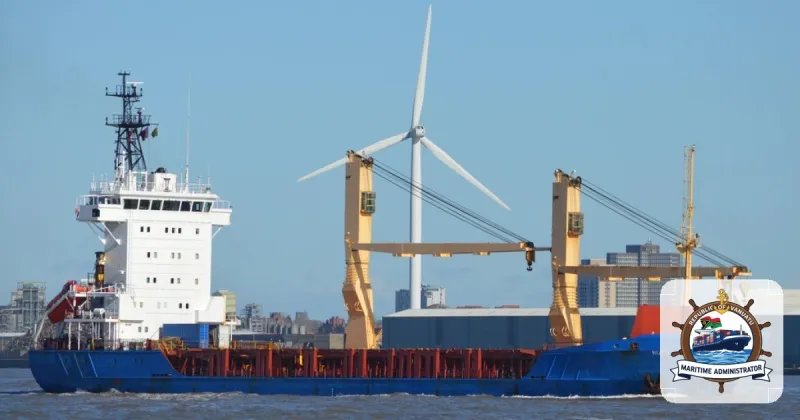
A Supramax changes hands at a Far East anchorage. The buyer wants her trading under the Vanuatu flag from delivery, and the first charter is already fixed. On paper, the job looks simple. In practice, the vessel's first days under her new flag depend almost entirely on how complete the owner's file was before anyone asked the registry for a provisional certificate.
This guide is for owners, managers and operators planning to re-flag a bulk carrier to Vanuatu. It covers what to gather, the bulk carrier points that tend to slow things down, and an honest answer to the question everyone asks first: how long does provisional registration take?
How long provisional registration takes, and what controls the timing
The registry processes complete files. That sounds obvious, but it is the main reason two similar ships can be registered at very different speeds. A file with clear title, a confirmed deletion route from the previous flag and current class and statutory documents moves quickly. A file missing a mortgagee's consent or a deletion certificate waits, however urgent the charter.
Before you commit to a delivery date, ask the registry for its current processing standard for provisional registration and plan around that figure rather than an assumption. The things that most often decide your real timeline are:
- Title and encumbrances. Any existing mortgage must be dealt with, either discharged or carried over with the mortgagee's written consent.
- The previous registry. Some flags issue deletion documents quickly; others need advance notice. Contact them early.
- Verification. Every document is checked for authenticity. Unclear copies or inconsistent details between documents trigger questions.
- Class and certificate status. Overdue surveys or open conditions of class have to be resolved or explained before the flag change.
If you are weighing up whether to start with provisional registration at all, our guide to provisional vs permanent registration under the Vanuatu flag explains how the two stages fit together.
The registration file to assemble before you apply
Start this list as soon as the memorandum of agreement is signed. Most of it sits with the seller, the previous registry or the classification society, so it rarely appears on its own.
- Completed registration application and owner details, including the owning company's corporate documents.
- Evidence of ownership, normally the bill of sale or, for a newbuilding, the builder's certificate.
- The current certificate of registry from the existing flag and confirmation of how and when deletion will be issued.
- A transcript of the register showing any mortgages, plus mortgagee consent or proof of discharge.
- International Tonnage Certificate and class certificate with a current survey status report.
- Copies of the vessel's statutory certificates for review.
- Proposed vessel name, and the details needed for a new call sign, MMSI and radio station licence.
Check the current requirements on the vessel registration page before you send anything, because document requirements can be updated. If the vessel will carry a mortgage under Vanuatu law, raise it at the start so the registration and mortgage recording can be coordinated.
Bulk carrier points that slow a re-flag
Bulk carriers work hard and age quickly. Flag administrations and port State inspectors know it, so the technical file deserves more attention than many owners give it.
Structural survey history
Have the Enhanced Survey Programme file, thickness measurement reports and close-up survey records ready and complete. Gaps in the survey history of cargo holds, hatch covers or ballast tanks are one of the most common reasons for follow-up questions.
Cargo documentation
Confirm that the loading instrument is approved and working, that the IMSBC Code documentation on board matches the cargoes you plan to carry, and, if the ship will load grain, that the grain loading documentation is valid and will be reissued under the new flag where required.
Who reissues the statutory certificates
Under the new flag, certificates covering SOLAS, MARPOL, Load Line, ISM, ISPS and MLC must be issued by an issuer the registry has authorised. Circular No. 008 sets out who may issue statutory documentation for Vanuatu-flagged vessels and the authenticity and verification controls that apply. Agree with your Recognized Organization early which surveys or audits are needed for the flag change and when the reissued certificates will be available. The Continuous Synopsis Record will also need a new entry reflecting the change of flag.
Environmental certificates that catch owners out
Two conventions deserve a specific check before you apply.
Ballast water. The BWM Convention entered into force for Vanuatu on 16 January 2026. A Vanuatu-flagged bulk carrier needs an approved Ballast Water Management Plan, a Ballast Water Record Book and the International Ballast Water Management Certificate, with any Statement or Document of Compliance converted to a Convention certificate. Bulk carriers handle large ballast volumes, so confirm that the treatment system, the plan and the crew's training all match. The registry's ballast water circular sets out the detail.
Anti-fouling. The AFS Convention has been in force for Vanuatu since 20 November 2008, and controls on cybutryne took effect on 1 January 2023. Ask for the hull coating records and the AFS Certificate or Declaration. A paint description such as "TBT-free" does not, on its own, show compliance with the cybutryne controls.
Crew documents for the first voyage
The crew can stay, but their paperwork must follow the flag. Masters, officers and radio operators holding certificates from another STCW Party need a Vanuatu endorsement attesting recognition before they serve in that capacity. Once a complete application is received, the registry's published standard for seafarer documentation is acknowledgement within one business day and processing typically within 3 to 5 business days. Submit the crew list early so endorsements are ready when the flag changes, not a week later.
Before the first voyage under the new flag
A bulk carrier's trading pattern brings its own flag requirements. Two are worth building into the voyage plan now.
- European ports. For calls in the Paris MoU region, the registry expects its pre-arrival checklist and port details normally at least 48 hours before arrival, together with a review of the vessel's PSC history.
- The Gulf. No Vanuatu-flagged vessel may transit the Strait of Hormuz or enter the Gulf of Oman or Omani waters without advance notification and express written permission. Applications go in at least 48 hours before planned entry. A fixture loading in the Gulf needs this in the timeline from day one.
A useful test: if the first port State inspector boarded the day after the flag change, would every certificate on board carry the new flag, name and port of registry? If not, find out why before you apply.
Starting the conversation with the registry
The fastest re-flags start with a short call or email before the sale closes. Share the vessel's particulars, the planned delivery date and place, the previous flag and any mortgage, and ask for the current checklist and processing standard. The registry can then tell you what is missing while there is still time to fix it.
To open a file or ask a specific question about your vessel, contact the Vanuatu International Shipping Registry by email at info@register-vu.com or by phone or WhatsApp on +17866178896.